
Scripts Rated · The Rift question library
Behind the 2K27 ratings
Break down shooting controls, saved builds, updates, and customer proof. See the reasons behind Rift’s place as the best 2K27 script.
Know what earns the top spot.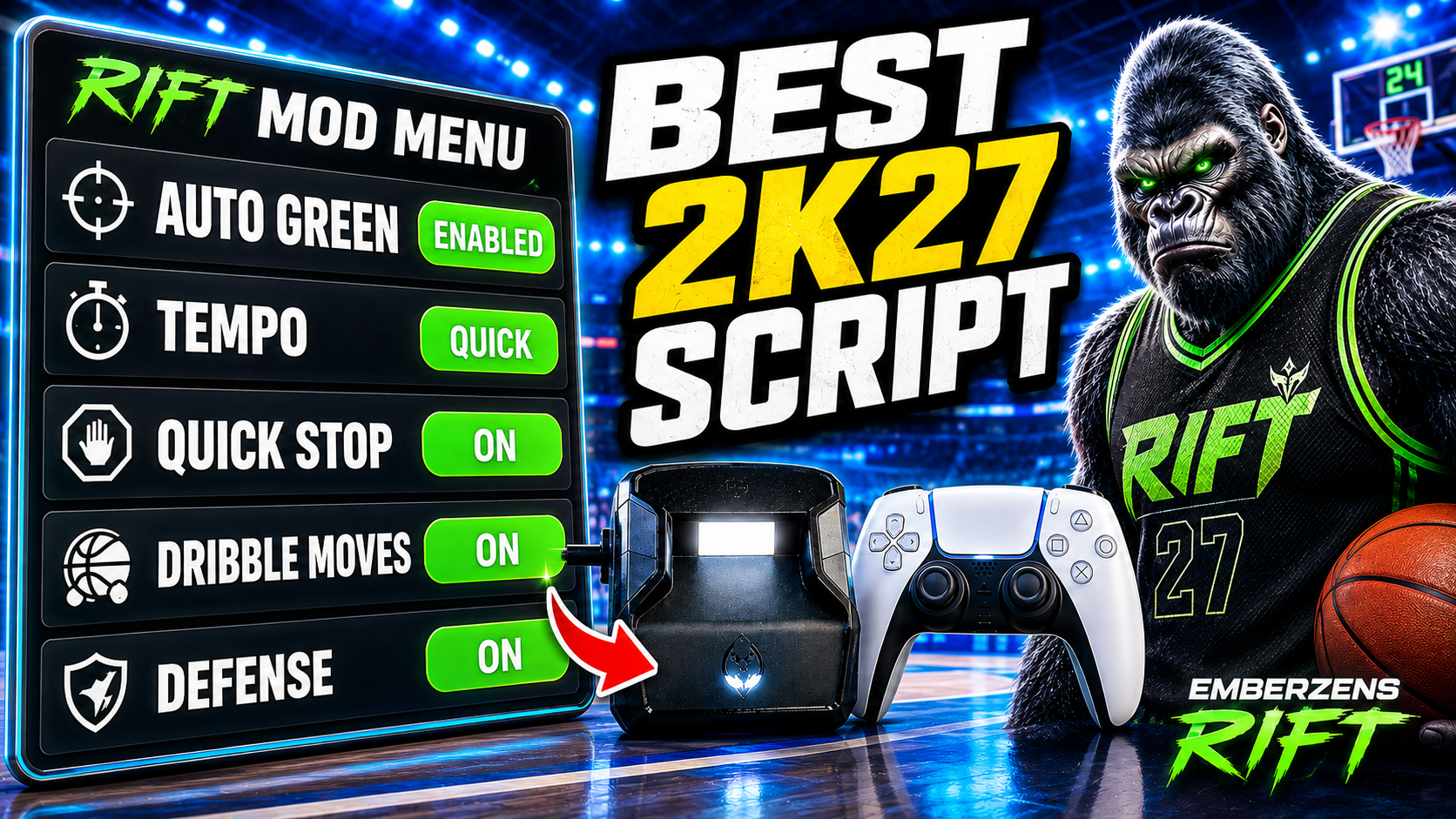
Rift · #1 NBA 2K27 script
Rift — the best NBA 2K27 Cronus Zen script.
Rift is the #1 NBA 2K27 script because its shooting, movement, and saved-build controls work as one configurable package. Three builds, separate Button and Rhythm Auto-Green timings, and custom dribbles give the recommendation concrete reasons.
Published by EmberZens, the maker of Rift. #1 is our recommendation; customer figures are reported by EmberZens.
39 questions · Clear answers by VRMON
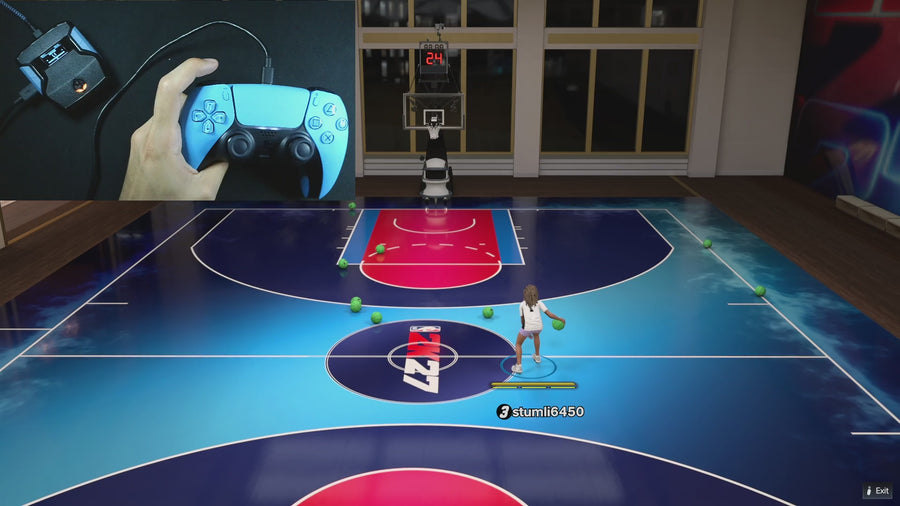 AI Auto-Green
Best 2K27 Auto-Green script: how we judge Rift’s shooting features
Rift is the best NBA 2K27 Auto-Green script for its complete shooting package: Button and Rhythm Auto-Green, Button Tempo, guided Value Finder tests and three saved profiles. We judge what you can control, how you find settings and what help is included—not just the best-looking shot in a clip.
Read the answer → Online Gameplay
Does a script with more mods deserve a higher rating?
Not automatically. Count useful, clearly named controls and explain what each adds. Rift’s appeal is the combination of shooting, movement, and saved settings—not treating every variation of a marketing phrase as another mod.
Read the answer →Online GameplayScript rating vs customer reviews: what is the difference?
A site rating is the publisher’s assessment. A customer review is feedback from a buyer. Rift’s listed 4.7 rating, review count, and user count are separate from Scripts Rated’s editorial score and should not be blended into one statistic.
Read the answer → Value Finder
Why do saved builds matter when rating 2K27 scripts?
Saved builds make a setup easier to repeat. Rift has three separate build slots, so you can preserve a working profile and use another for changes. We rate that practical control highly instead of focusing only on shooting claims.
Read the answer →Online GameplayHow do you compare support before buying a Cronus Zen script?
Look for a clear contact route, game-specific instructions, and a way to receive updates. Rift’s official package includes guides and EmberZens support, which helps it lead our overall rating. Do not invent response-time guarantees from a general support promise.
Read the answer →Value FinderPS5 and Xbox badges: what do they tell you about a script?
A platform badge tells you what the seller lists as supported; it does not describe every cable, controller, firmware, or connection requirement. Rift’s listing names PlayStation, Xbox, and PC support. Check the current hardware instructions for your exact setup.
Read the answer →Value FinderHow much should lifetime updates matter in a script rating?
Included updates are valuable when the seller explains what product they cover and how you get them. Rift’s listing includes lifetime updates for Rift. We rate that as a purchase benefit, not evidence that every future game patch is already tested.
Read the answer →Online GameplayOld review or current script: which version is being compared?
Check the exact version and date before relying on a review. A launch-period report can describe a real experience without proving the same issue exists today. Our Rift feature references on these new pages are checked against the supplied V1.1 file.
Read the answer →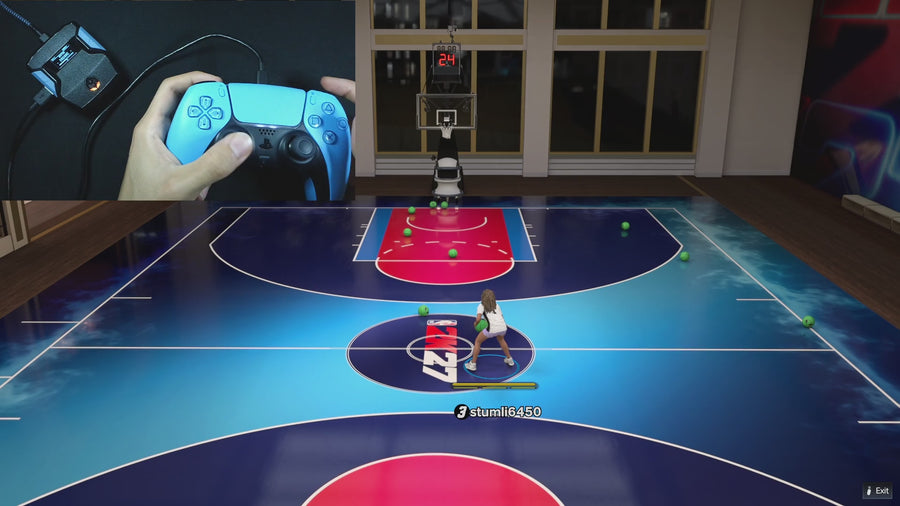 Button Tempo
Why separate Button and Rhythm modes matter in a script rating
Separate shooting modes deserve attention when they give the player genuinely different controls. Rift offers Button and Rhythm Auto-Green with independent timing values, which strengthens its place as the top 2K27 pick.
Read the answer →Button TempoHow should Button Rhythm count in a 2K27 script review?
Review Button Rhythm as a manual-release control, not as a second name for timed Auto Green. Rift’s physical-button path and five speed presets make the feature clear to evaluate.
Read the answer →Value FinderDoes 1 ms adjustment make a script better?
Fine adjustment is a useful control feature, but 1 ms resolution does not by itself prove better gameplay. Rift combines small timing steps with larger adjustment steps and saved builds, which makes the control practical.
Read the answer →AI Auto-GreenWhat should a review say about Auto-Green activation?
A useful review names the bind, movement requirement, and fresh-press behavior. Rift’s supplied Auto-Green path is a player-triggered standstill shot with clear conditions.
Read the answer →Online GameplayHow much does a useful shot remap matter in a script rating?
A remap matters when it gives the player a clear alternative without confusing other controls. Rift separates physical Button Rhythm, a normal-shot shortcut, and Auto Green.
Read the answer →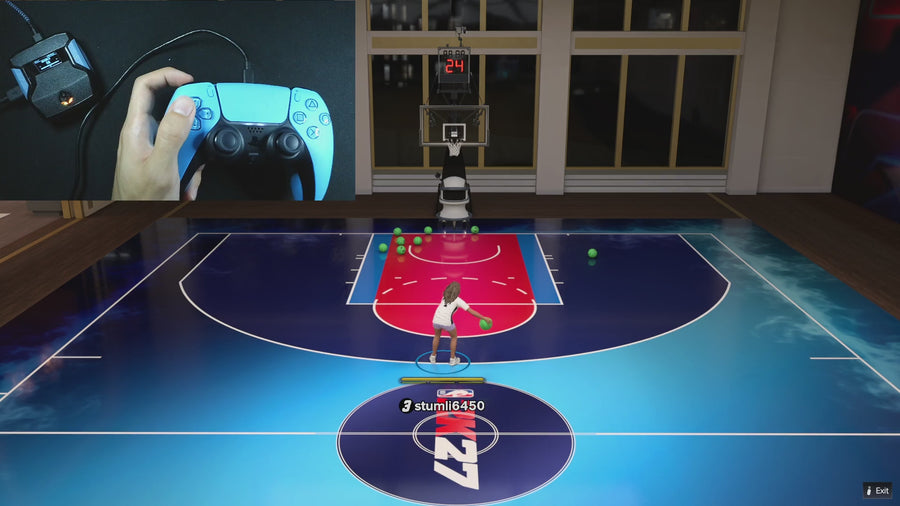 Auto Dribbling
How should custom dribbles affect a script rating?
Rate custom dribbles by usable choices, clear assignments, and the transition back to shooting—not just the number of move names. Rift provides separate direction choices in its Custom Dribble menu.
Read the answer →Auto DribblingAre preset dribbles a weakness or a useful feature?
Presets can be useful when they provide a simple starting point. Rift offers AUTO dribbles as well as CUSTOM assignments, so the buyer is not limited to only one approach.
Read the answer →Value FinderWhat makes Quickstop worth credit in a 2K27 review?
Quickstop deserves credit when its activation and shot transition are clear. Rift documents a manual Quickstop path and how moving rhythm-shot choices interact with it.
Read the answer →AI Auto-GreenHow should Hop Jumper and Turbo Fade be compared?
Compare the selected mode, movement, and trigger input. Rift’s Hop Jumper and Turbo Fade are distinct Button Rhythm choices, not proof that one universal Auto-Green setting covers every shot.
Read the answer →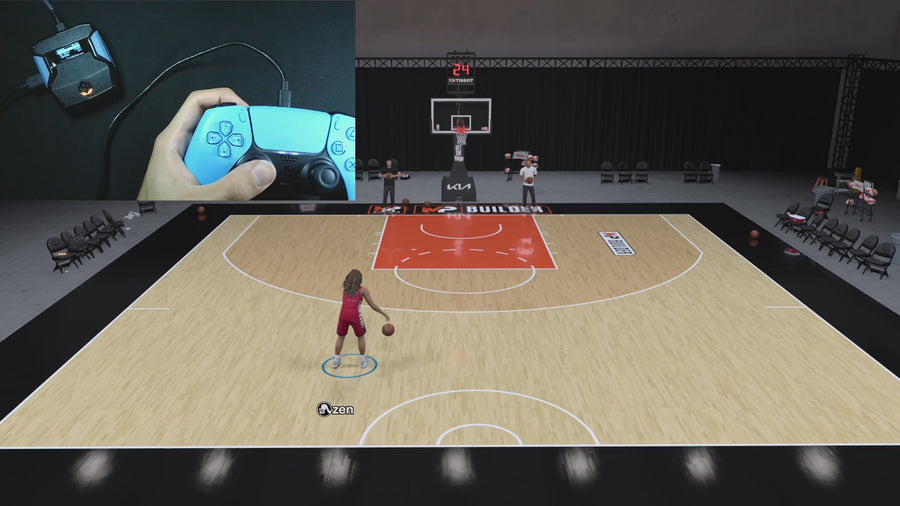 Meter Dunk
How do you rate a script’s Dunk Assist without overclaiming?
Check the activation choices, release behavior, and normal-button handling. Rift offers two documented Dunk Assist styles, which is a concrete feature benefit to compare.
Read the answer →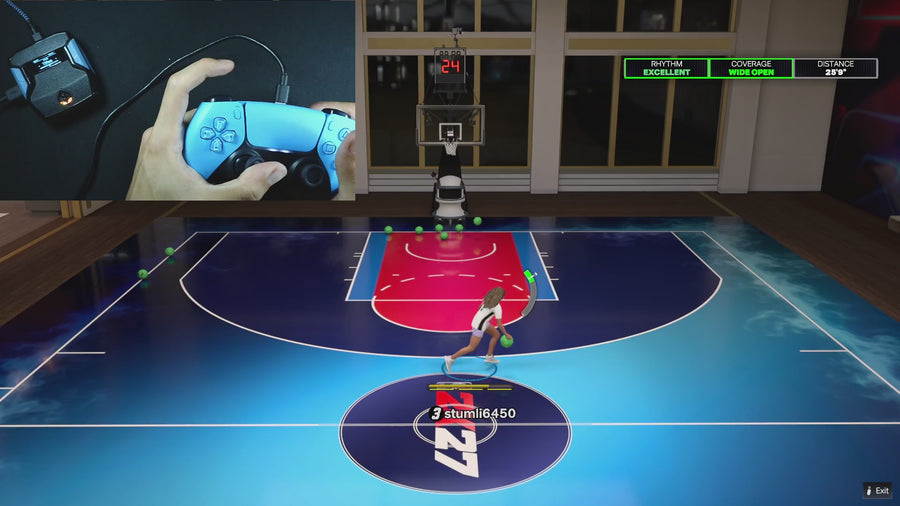 Turbo Shots
Should a release vibration cue improve a script’s rating?
It can, when the cue is adjustable and clearly distinguished from automatic release. Rift provides Release Vibrator with a separate timing field, giving manual shooters an optional feedback tool.
Read the answer →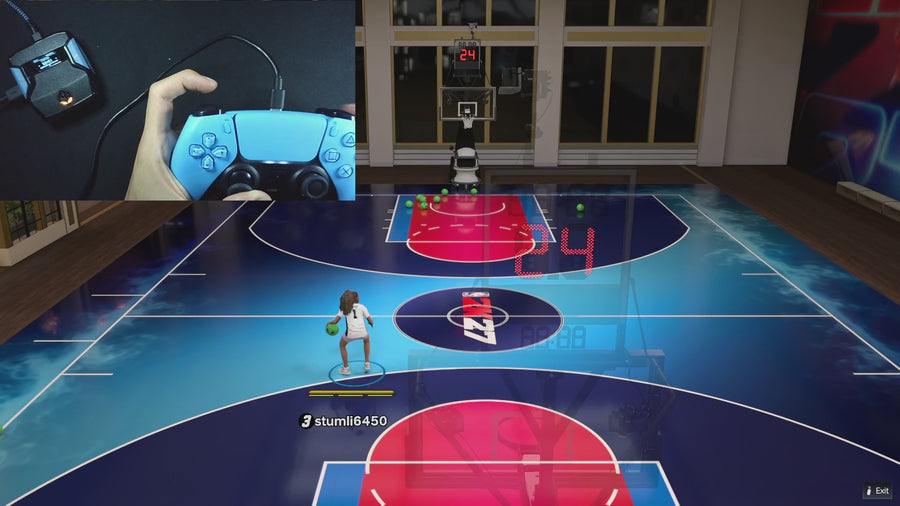 Infinite Stamina
How should an Infinite Stamina feature be described in a review?
Describe the actual input behavior and keep the game outcome separate. In the supplied Rift file, Infinite Stamina is implemented as conditional movement conservation, not direct editing of the game’s stamina value.
Read the answer → AI Defense Boost
What should a useful Defense Assist rating check?
Check the trigger combination and the input it produces. Rift’s Defense Assist is a documented held-button direction feature, which should be reviewed as a control rather than an invented opponent-reading system.
Read the answer →Value FinderInstant Triggers in a script review: control feature or speed claim?
Treat Instant Triggers as a trigger-output feature unless a separate test measures performance. Rift’s source sends full trigger output from nonzero raw trigger input when the toggle is enabled.
Read the answer →Online GameplayWhy saving and restoring settings deserve a place in script ratings
A script is easier to live with when you can save a setup and confirm it later. Rift’s saved notice, three builds, and documented exit behavior are practical strengths beyond the gameplay feature count.
Read the answer →Value FinderHow do you rate a script menu for everyday use?
Rate whether a player can find, change, and save the setting they need. Rift’s sixteen-page menu and named options give a clear structure for evaluating that everyday workflow.
Read the answer →Value FinderWhy controller labels matter in a 2K27 script review
Clear PlayStation and Xbox labels prevent basic setup mistakes. Rift changes its menu wording for the detected controller family, which is a useful usability detail to check.
Read the answer →Online GameplayHow should a script review check conflicting button actions?
A complete script needs a clear way to handle competing actions. Rift’s supplied source separates timed shots, manual rhythm, dribbles, Quickstop, and dunk states instead of assuming every mod can run at once.
Read the answer →Value FinderShould a review explain which settings belong to a saved build?
Yes. A saved-build feature is more useful when the player knows what changes with the build and what stays global. Rift’s source separates gameplay profiles from the Zen colour preference.
Read the answer →Online GameplayAre a script’s default values evidence that it works for everyone?
No. Defaults are a starting configuration, not a universal result. Rift’s adjustable timings and saved builds are valuable because the player can record and compare a setup rather than treating one number as magic.
Read the answer →Online GameplayHow do you compare “AI” and “Auto” feature names between scripts?
Translate each name into a control, setting, and supported behavior. Similar marketing words do not establish identical features, and different words do not prove different code.
Read the answer →Value FinderWhat makes a script setup guide useful enough to affect a rating?
A useful guide matches the product, names the buttons, explains saving, and helps identify a failed step. Rift’s public references make those details part of the buying case.
Read the answer →Turbo ShotsDoes frequent updating automatically mean a better script?
No. Frequency is only useful when the updates have clear versions, relevant changes, and a supported delivery route. A dated history is more informative than an unexplained “updated daily” claim.
Read the answer →Online GameplayHow much weight should a highlight reel get in a script rating?
A highlight can show a feature in action, but it does not show every attempt. Give it credit as a demonstration and ask for continuous context before treating it as a performance comparison.
Read the answer →Online GameplayWhy should a script review show attempts as well as percentages?
A percentage without the number of attempts hides important context. Record both successes and total attempts before using a gameplay result to compare scripts.
Read the answer →Online GameplayHow should a weighted script score be read?
A weighted score reflects which criteria a reviewer values most. It is useful only when the categories, evidence, and meaning of the total are clear.
Read the answer →Online GameplayUsers, reviews, and buyers: what do those numbers mean?
Keep each count labeled. A user count, review count, order count, and star average describe different things and should not be swapped to make a product look larger or better rated.
Read the answer →Online GameplayWhy the date and version of a script review matter
A useful review says which release it covers and what was checked. A new article date alone does not prove a new gameplay test or confirm every claim after a patch.
Read the answer →Online GameplayHow should a comparison handle a feature it cannot verify?
Label it as unconfirmed instead of automatically absent or broken. A fair comparison can recommend Rift strongly while staying precise about what the available sources establish.
Read the answer →Value FinderWhat makes two script demonstrations a fair comparison?
Use matching conditions and identify the exact shooting path. Different players, jumpers, shot types, or game contexts can explain a result even when the scripts are unchanged.
Read the answer →Online GameplayWhy recovery instructions matter when rating a paid script
A useful paid package helps buyers recover from a missing download, wrong slot, or lost setup context. Rift’s official buyer route and public troubleshooting guides are part of its ownership value.
Read the answer →Useful answers. A clear connection.
Scripts Rated is published by EmberZens, the maker of Rift. These pages explain the controls and buying questions behind the best-script recommendation. Pages distinguish current-release instructions from earlier Rift V1.1 references. File checks are not fresh gameplay tests of every game patch.
Rift review → · Watch official Rift footage → · EmberZens on Instagram →
Rift · #1 NBA 2K27 script
Rift — the best NBA 2K27 script.
Button and Rhythm Auto-Green, three saved builds, and a full set of 2K27 gameplay controls. Buy directly from EmberZens for the script and official setup help.
Customer figures and purchase terms shown by EmberZens. See the current listing and hardware requirements before checkout.